

Next-Gen Dental Implants: Innovations, Costs, and What to Expect in 2025
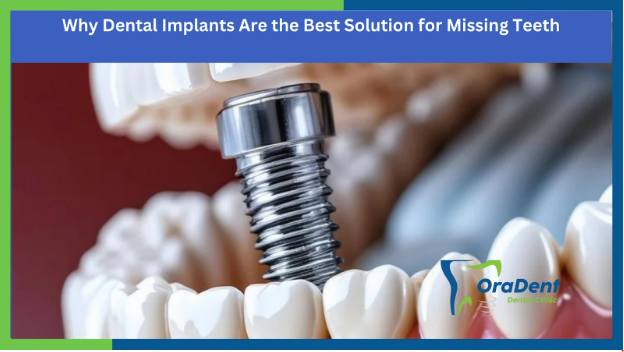
Next-Gen Dental Implants: Innovations, Costs, and What to Expect in 2025
Dental implants have revolutionized oral healthcare, offering a permanent solution for missing teeth. With technological advancements, the latest innovations in dental implants promise better durability, faster healing, and enhanced aesthetics. In 2025, next-generation dental implants are set to redefine patient experiences, making the procedure more accessible, efficient, and long-lasting. This blog explores the evolution, key innovations, costs, benefits, and future trends in dental implants.
Evolution of Dental Implants: Traditional vs. Next-Gen
Traditional dental implants have been a reliable solution for decades, but they come with limitations such as prolonged healing times, potential allergic reactions to metal components, and high costs. These implants, primarily made from titanium, require a long osseointegration process for proper jawbone integration.
Next-gen implants aim to overcome these challenges by utilizing advanced materials, AI-assisted placement techniques, and biocompatible enhancements. The latest advancements focus on reducing healing time, enhancing integration with the jawbone, and improving overall durability. Additionally, newer implant models can better mimic natural tooth aesthetics, offering a seamless look and feel.
Latest Innovations in Dental Implants (2025)
1. 3D-Printed Dental Implants
3D printing has revolutionized the dental industry by allowing for highly customized implants tailored to each patient's anatomy. Unlike traditional implants, which come in standard sizes, 3D-printed implants are designed based on digital scans of the patient’s mouth, ensuring a precise fit and better bone integration.
Benefits:
- Faster production time
- Improved durability and custom fit
- Reduced risk of rejection
2. Smart Dental Implants with AI Monitoring
AI-powered implants are now equipped with biosensors that provide real-time tracking of oral health conditions. These sensors detect early signs of infection, monitor bone integration, and even send alerts to dentists and patients about necessary checkups.
How It Works:
- Embedded AI chips monitor surrounding tissue health.
- Alerts are sent in case of inflammation or improper healing.
- Predictive analytics help prevent implant failure.
3. Bioengineered & Regenerative Dental Implants
Bioengineered implants promote natural bone growth using stem cell technology. These implants are coated with growth factors that enhance osseointegration and accelerate healing.
- Faster healing process
- Stronger bone-to-implant integration
- Lower risk of implant rejection
Cost of Next-Gen Dental Implants in 2025
The cost of next-gen implants depends on several factors, including materials, customization, and the location of the dental clinic in Islamabad. While advanced implants may have a higher initial cost, they offer better long-term durability and fewer complications, making them a cost-effective investment.
Conclusion
Next-gen dental implants are setting new durability, efficiency, and patient experience standards. With AI-assisted monitoring, regenerative technology, and improved biocompatibility, 2025 is ushering in a new era for implant dentistry. If you are considering dental implants, consult your dentist to explore cutting-edge solutions that best fit your needs. With continuous advancements, the future of smile restoration has never looked more promising!
A straight, healthy smile is now easier to achieve than ever before. If you’re considering orthodontic treatment, schedule a consultation with a professional to explore the best options for your smile. With modern advancements, achieving the perfect smile is no longer a long, uncomfortable process but a seamless journey tailored to each individual's needs.
Share this article